Can Am Workplace Training Corporation
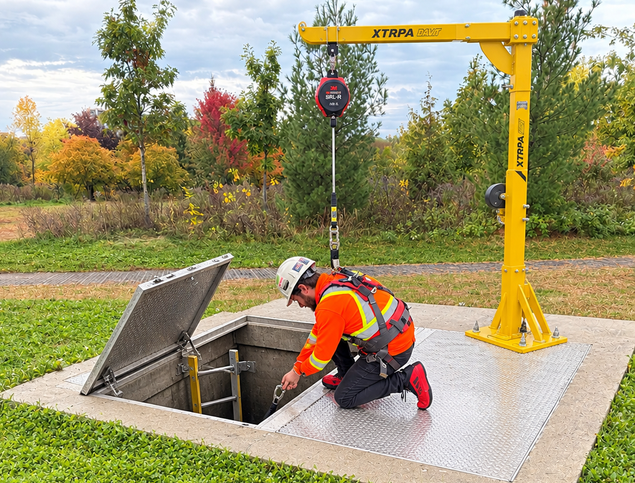
Workers who enter confined spaces, support entry operations, or carry rescue responsibilities need training that reflects the real risks they face on site. A generic course won’t cut it. The right confined space training program should align with your workplace’s hazards, job duties, and confined-space entry plan. What it shouldn’t do is just check a box for compliance.
Here’s what to look for when evaluating a provider.
Confirm the Provider Understands Ontario’s Regulations
A credible provider should demonstrate solid knowledge of confined space regulations in Ontario, including Ontario Regulation 632/05: Confined Spaces. Ask how they cover hazard recognition, safe work practices, and plan-specific training requirements. They should also explain how training records are documented and be able to distinguish regulatory requirements from voluntary standards like CSA Z1006.
Match the Training Level to the Job
Not every worker needs the same training. Look for a provider that offers specific training for specific job requirements, such as:
- Confined space awareness training teaches participants how to recognize spaces, hazards, and basic precautions.
- Confined space entry training is about entry procedures, permits, atmospheric testing, ventilation, and PPE.
- Supervisor/entry supervisor training teaches workers about planning and controlling confined-space work.
- Confined space rescue training focuses on the specialized skills needed for designated responders, plus advanced technical rescue where required.
Make Sure Training Reflects Your Actual Worksite
Training should address the spaces your team actually encounters, including tanks, pits, sewers, silos, shafts, and vessels, along with hazards like toxic atmospheres, oxygen deficiency, and hazardous energy. Ask whether the provider can incorporate your organization’s own confined-space procedures and entry plan into the course content.
Compare Online, In-Person, and Blended Options
Online confined space training works well for awareness-level and theoretical content. In-person sessions are essential for hands-on entry and rescue skills, while blended formats combine both. Choose based on what your entrants and rescue teams need. For entry and rescue courses specifically, verify how much hands-on equipment practice is included. Ontario guidance emphasizes practical training with safety equipment.
Check Instructor Experience, Not Just Credentials
Ontario does not currently operate a government certification process for confined-space trainers, workers, programs, or agencies. So instead of looking for an “Ontario certified” label, assess the instructor directly. Look for real OHS and field experience, and for advanced rescue courses, confirm technical-rescue qualifications.
Ask What Documentation You’ll Receive
A proper training record should include the certificate of training/completion, the course name and level, the employee’s name and training dates, and an assessment or practical evaluation record where applicable. This documentation matters for workplace compliance and future audits.
Evaluate Rescue Training Depth
For rescue teams, confirm the course covers the actual procedures and equipment in your workplace plan, including harnesses, retrieval systems, breathing equipment, and communication tools. Ontario requirements specifically address rescue procedures, first aid/CPR, and the use of required rescue equipment, so confirm whether the course covers non-entry rescue, entry rescue, or both.
Plan for Refresher Training
Ask how the provider handles refresher sessions, new hires, and changing workplace hazards. Training should be reviewed when circumstances change and, for applicable non-project workplaces, at least annually. Keep in mind, however, that a review isn’t automatically the same as annual retraining.
Choose a Provider That Can Train Your Whole Team
The strongest providers can deliver awareness training, entry training, attendant and supervisor training, and rescue training all under one roof. Make sure the provider also includes on-site confined space training customized to your location.
Finding the Right Fit for Your Team
Choosing a provider for working in confined spaces training comes down to matching the course content, instructor experience, and documentation to your team’s actual responsibilities and hazards.
Can Am Workplace Training Corporation (CAWTC) offers confined space awareness training in Ontario and confined space rescue training in Ontario that workers can trust, along with entry and rescue-level courses delivered online, in-person, or through a blended format. Explore CAWTC’s confined space training options or start with the confined space awareness training course to find the right fit for your workplace.